The Graduate’s Guide to Hosting & Thank You Notes
Hi. It is hard to believe we are already in the heart of May.
There is a specific kind of energy in the air right now, isn’t there?
It is a mix of relief, excitement, and maybe a little bit of that bittersweet feeling that comes with big changes. If you have a senior in your house, you know exactly what I am talking about. We are standing on the edge of graduation season, and it feels like we are watching our children prepare to cross a massive bridge.
I have been thinking a lot about that bridge lately. We often focus so much on the ceremony itself, the cap, the gown, the diploma, that we forget graduation is actually a "Bridge to Independence." It is the moment when the "student" starts to transition into the "adult" who moves through the world with their own sense of agency. One of the most beautiful ways to help them cross that bridge is by teaching them the quiet, powerful skills of hosting and gratitude. These aren’t just "old-fashioned rules." They are the tools that help a young person walk into a room, or a new phase of life, with genuine confidence.
When we talk about graduation parties, we usually think about the guest list or the catering. But for the graduate, hosting their own celebration is a masterclass in social awareness. It is a shift in perspective. Instead of being the center of attention who simply receives, they are learning to be the leader who gives. That is a big shift, and it is a vital part of growing up.
Creating a Space of Welcome
Hosting a graduation party is often a young person’s first real experience with formal hospitality. It is more than just putting out a tray of cookies. It is about thinking through the experience of the people coming to celebrate you. I always suggest that graduates take an active role in the setup. One practical tip is to create a dedicated area for cards and gifts.

By placing a clearly labeled "Cards & Gifts" table near the entrance, you are actually performing an act of kindness for your guests. It removes the awkwardness of them standing in the doorway, wondering where to put their thoughtful gesture.
Another lovely touch is the "Time Capsule" station. I’ve seen this work so well at recent celebrations. You provide small envelopes or decorative cards and ask guests to write a piece of advice or a prediction for your future. For the graduate, this is a lesson in listening. It shows the guests that their wisdom is valued. It turns the party from a "look at me" event into a "thank you for being part of my journey" event. This kind of emotional intelligence is what truly sets a young adult apart as they head off to college or the workforce.
The Art of the Guest
Of course, graduation season isn’t just about your own party. Our graduates will likely be guests at many other celebrations over the coming weeks. Being a "good guest" is just as important as being a "good host." It is about showing up, not just physically, but with your full attention.
I tell my students all the time that being a great guest starts long before you walk through the front door. It starts with the RSVP. In our digital age, it is so easy to let an invitation sit in an inbox or a pile of mail. But responding promptly is a sign of respect for the host’s time and resources. Once you arrive, the goal is to be a "low-maintenance, high-impact" guest. This means finding the host, offering a warm greeting, and looking for ways to include others in conversation.

For a graduate, attending a peer’s party is a chance to practice those "soft skills" that will be so important in their future professional lives. It is about making eye contact, offering a firm handshake, and knowing how to enter and exit a conversation without it feeling clunky. When we teach these skills at The Etiquette Company, we aren't trying to make kids act like "little adults." We are giving them a foundation of respect that makes everyone in the room feel more comfortable.
The Power of the Written Word
Now, let’s talk about the part that often feels like a chore to a busy graduate, the thank you note. I know, I know. In a world of instant DMs and quick texts, sitting down with a pen and paper can feel like a mountain to climb. But here is the truth. A handwritten thank you note is one of the most powerful "bridge-building" tools we have. It signals to the recipient that they were worth your time.
I like to teach a simple five-step template to make this process less daunting.
First, start with a proper salutation. "Dear Mr. and Mrs. Smith" is much better than a casual "Hey."
Second, express your gratitude clearly. Mention the specific gift or the fact that they traveled to be there.
Third, include a detail. How will you use the gift? If it was a generous check, tell them it is going toward your new laptop for school.
Fourth, look forward. Mention when you might see them next.
Finally, sign off with a warm closing.
One of the reasons handwritten notes still matter is that they ask a young person to slow down and be specific. That is where so much of the character-building happens. Gratitude becomes more than a quick reaction. It becomes a practice of noticing, remembering, and responding with care.

If your graduate feels unsure about what to write, this five-step approach can make it much easier.
Begin with a proper greeting.
Thank the person clearly for the gift, their presence, or their support.
Add one personal detail so the note feels genuine and not copied from a script.
Mention how the gift will be used or why their encouragement mattered.
Then close with warmth and your signature.
It is simple, thoughtful, and exactly the kind of skill that strengthens confidence over time.
Why This Matters for the Future
You might wonder if these small acts, a gift table, a prompt RSVP, a handwritten note, really matter in the long run. I believe they matter more than almost anything else. We are living in a very "loud" world right now. It is a world that often prioritizes speed over connection. By teaching our graduates these habits, we are helping them develop a sense of "well-roundedness."
When a young person knows how to host a guest or write a thoughtful note, they carry themselves differently. They have a "quiet confidence" because they aren't worried about doing the "wrong" thing. They know how to handle social complexity. This foundation of etiquette is actually a foundation of character. It is about empathy. It is about recognizing that we are all part of a community and that our actions affect the people around us.
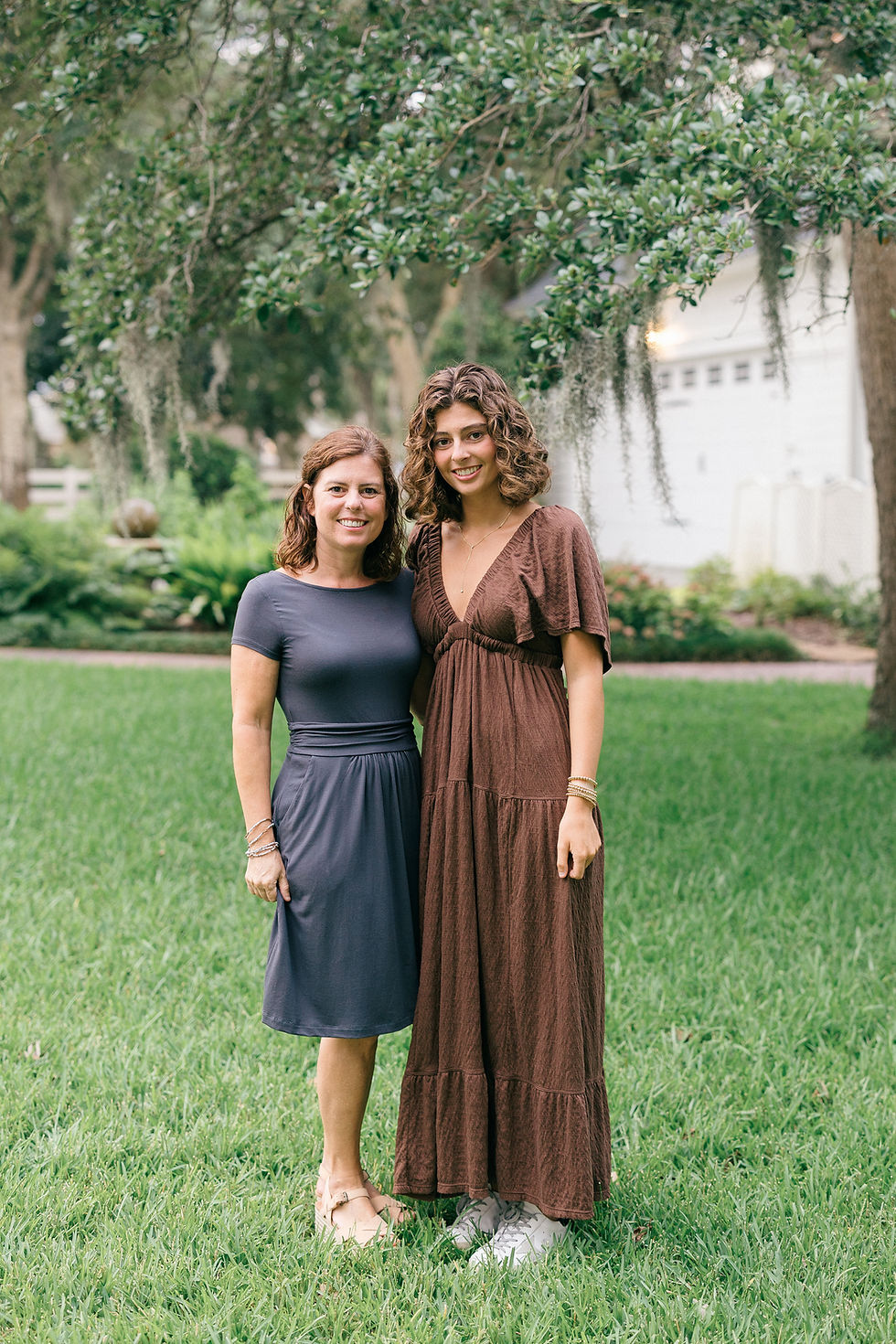
As your children prepare to cross that bridge to independence, I encourage you to see these moments not as "to-do" list items, but as opportunities for connection. Sit down with them and write a few notes together. Talk about why you are thankful for the people in your life. Let them see that hospitality isn't a performance, it is a way of life.
If you are feeling like you could use a little extra support in guiding your graduate through these transitions, please know that we are here for you. Whether it is through our online courses or a specific dining skills class, our goal is always to help your family navigate life with more ease and less stress.
Graduation is a beautiful, messy, wonderful time. It is a season of "becoming." By focusing on these small acts of grace, we are helping our graduates become the kind of people who don't just succeed in the world, but who make the world a little kinder just by being in it.
I hope you have a wonderful graduation season filled with many proud moments and many meaningful thank you notes.
Warmly,
Lori Beth Sanborn
Comments